
Table of Contents
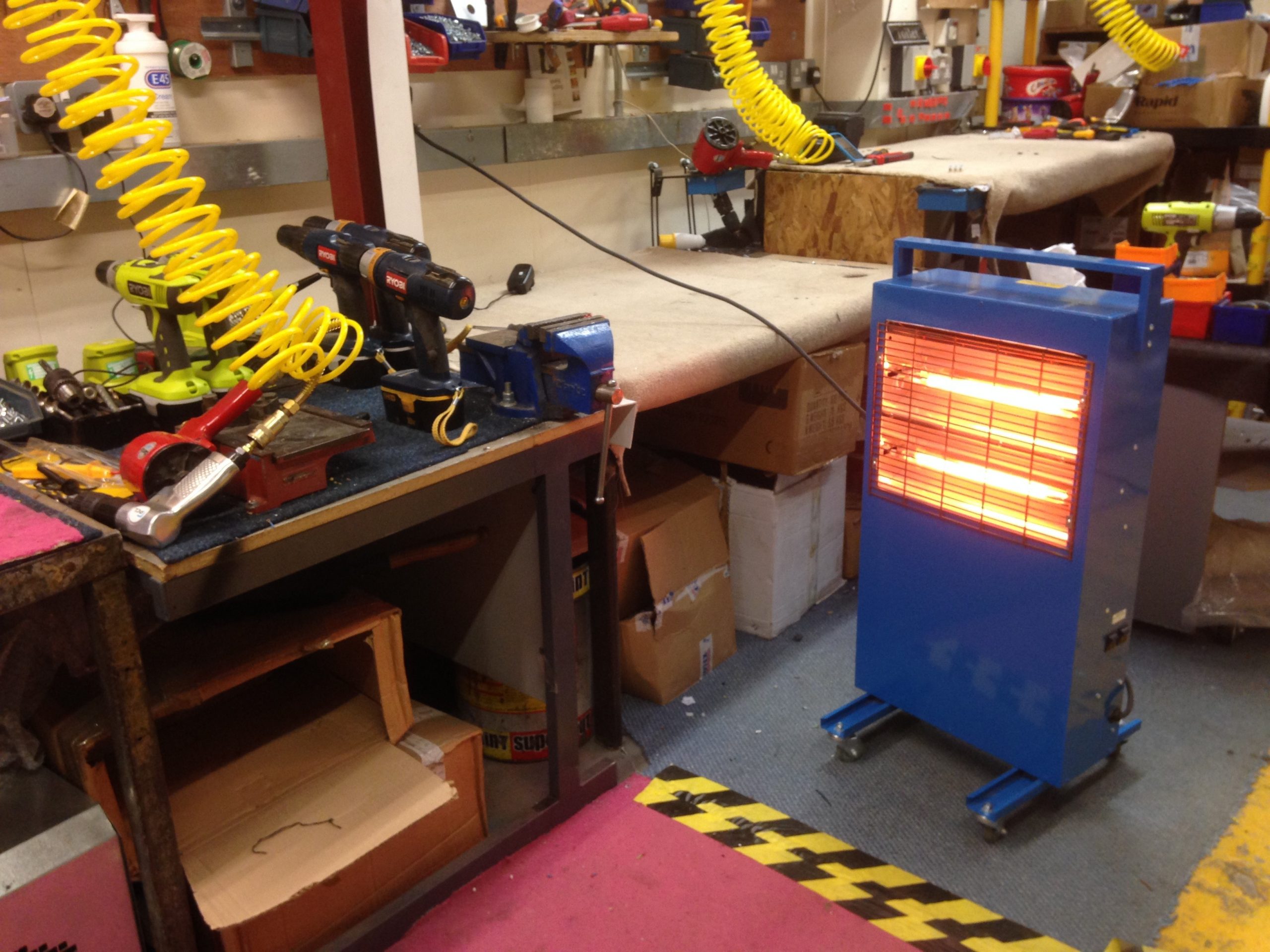
As with any hobby, it is great to be able to work comfortably in your shed or workshop year-round. In the summer months, it is not such an issue, but when it is cold outside, it makes working in the workshop more difficult. That’s why it is important to have a good heating system in your shop.
However, it is vital that whatever method you use to heat your workshop, you do so in a safe manner and that means no naked flames.
Safety First!
Fine particles of sawdust can be extremely flammable and can in fact explode if there is enough air-born dust and oxygen in the vicinity. Flour mills and custard factories typically had the same problem with their flour exploding and now the HSE provides guidance to the food industry on how to prevent dust explosions.
Therefore, it is imperative for your safety and for the protection of your equipment, that no naked flames are introduced to the workshop where it is not necessary. This is why my suggestions of how to heat your shed or workshop are all solutions that do not involve flames – I especially do not recommend wood-burners in workshops, as idyllic and convenient as it may be as these can be a major cause of dust explosions.
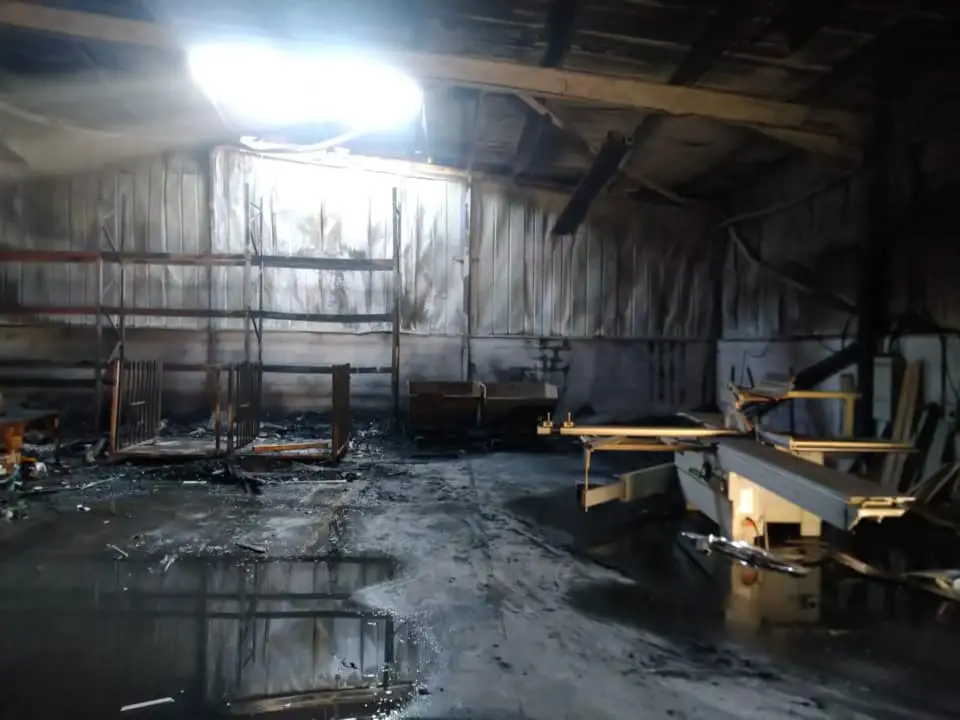
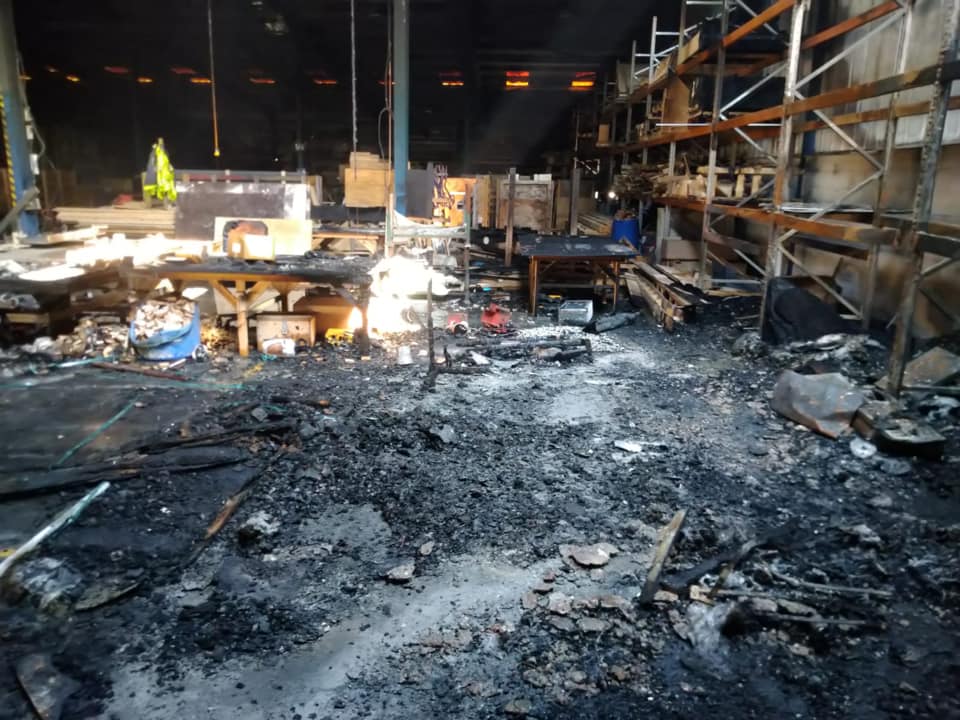
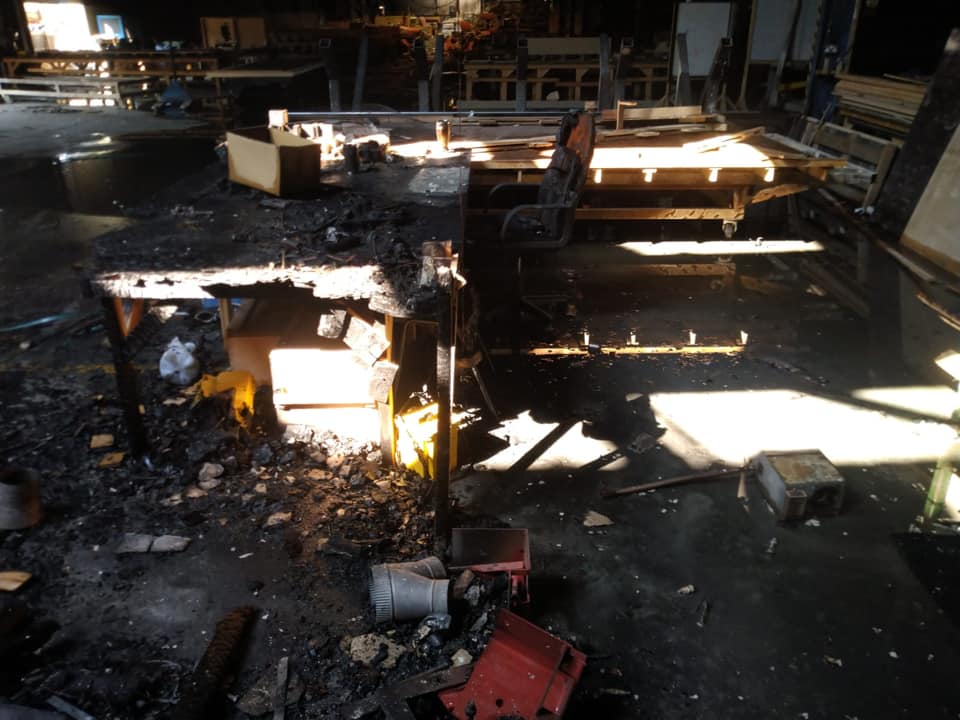
Fire in a workshop caused by a dust explosion
I would also recommend a carbon monoxide alarm because if you are working in an enclosed area without sufficient ventilation, then dangerous carbon monoxide can build up in the atmosphere.
This gas is an invisible killer as it has no odour or taste and it can make you sleepy which is not a great idea whilst operating machinery. Ultimately it can cause death by starving you of oxygen, so having a CO2 alarm is always a recommendation.
Recommended CO2 Alarms:
No products found.
Things to consider when buying a heater for your workshop
These are the key things that you should be looking for in a heater for your workshop:
- Controllable heat settings
- Thermostatically controlled
- Overheat shut-off
- Electric rather than gas, oil or solid fuel powered
Types of heater
The following is a list of different heater types that I would recommend for your garage, shed or workshop, no matter how large or small it is.
Oil filled radiators
Oil-filled radiators offer a great solution to heating a small workshop or shed. They are safe, very controllable and offer radiant heat at an affordable price.
No products found.
Panel heaters
Panel heaters make a great semi-permanent method of heating your workshop or shed. Instead of being free-standing like oil-filled radiators which could take up valuable floor-space, panel heaters are fixed to the wall, but can still be plugged in to a suitable wall socket.
No products found.
Fan heaters
At the lower end of the budget are fan heaters. These have a fan that blows warm air from a thermostatically controlled heating element. These types of heaters tend to be noisy and can require a lot of space, either on the floor on a bench.
They are, however, great at instantly providing heat to a localised area of your workshop, should you be working in a particular spot for a long time, for example.
No products found.
infra-red heaters
Wall-mounted or floor-standing electric infra-red heaters differ from other heat sources in that they use infrared energy to heat whatever’s in a room rather than raising the ambient temperature of the room itself.
This allows you to save energy by heating specific workspaces rather than your entire workshop. Smaller units can often plug into regular plug sockets, but they won’t heat a large area. Larger units, on the other hand, can heat everything in a workshop and will need a qualified electrician to install them.
No products found.
Forced-Air / Blown-Air Heaters
Forced air heaters are a far more practical type of large space heater as they are suspended out of the way from the ceiling or exposed joist, depending upon your set-up.
They are similar to fan heaters in that there is a fan that blows heat from an element, but these are typically far more powerful and can heat your whole workshop.
No products found.
Conclusion
Whatever your budget or your chosen method of heating your workshop, it is important to put safety first to protect you and your tools and machinery from harm.
As long as you take precautions and employ a heater that is thermostatically controlled then it will allow you to extend the time that you can use your workshop long into the winter months.